

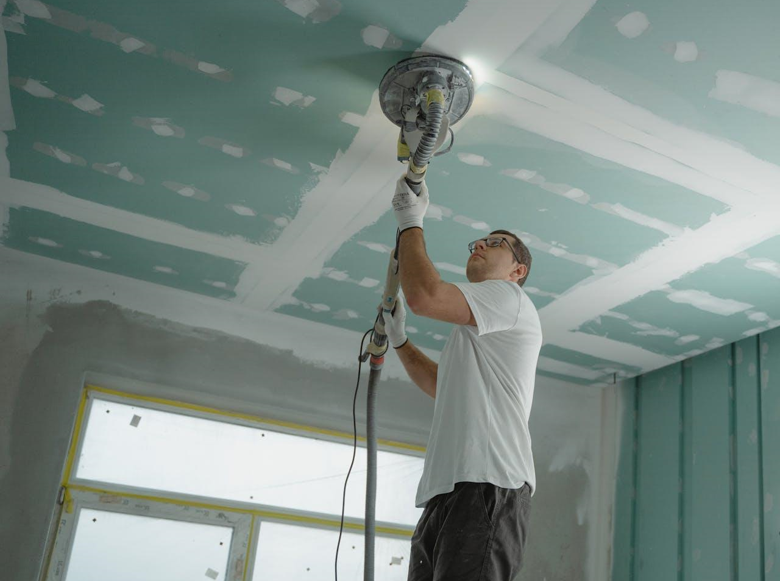
Photo by Tima Miroshnichenko
As 2026 approaches, property owners are thinking beyond basic renovations and focusing on improvements that deliver efficiency, sustainability, and adaptability. Both residential and commercial spaces are evolving to meet new expectations around energy use, technology, and user experience. Whether you manage a business or maintain a home, the coming year is set to bring meaningful upgrades that balance comfort with long-term value.
One major theme shaping improvements in 2026 is future-proofing. Owners are investing in upgrades that can adapt to changing needs, regulations, and lifestyles. This mindset encourages thoughtful planning rather than quick fixes, resulting in spaces that remain functional and appealing for years to come.
Sustainable Materials Take Center Stage
Sustainability is no longer a niche priority—it’s becoming a standard. In 2026, eco-conscious building materials are expected to dominate renovation decisions. Recycled, low-emission, and responsibly sourced products are being chosen not only for environmental reasons but also for durability and aesthetics.
Flooring is a strong example of this shift. Homeowners and commercial property managers alike are looking for surfaces that are resilient, stylish, and easy to maintain. Options such as vinyl flooring in Toronto are gaining attention because they combine modern design with longevity and energy efficiency, making them suitable for both busy homes and high-traffic commercial environments.
Beyond flooring, insulation upgrades, energy-efficient windows, and sustainable roofing materials are also high on the priority list. These improvements help reduce energy consumption while improving indoor comfort year-round.
Smart Technology Becomes Standard
Smart technology is moving from “nice to have” to “must-have.” In 2026, more properties will integrate automation into everyday operations. For homes, this includes smart thermostats, lighting systems, and security features that can be controlled remotely. For businesses, smart technology supports energy management, access control, and monitoring systems that reduce overhead costs.
What sets 2026 apart is how seamlessly these systems are integrated. Instead of standalone gadgets, property owners are opting for connected ecosystems that communicate with each other. This leads to smoother operations, better data insights, and improved user experiences for occupants, customers, and employees.
Functional Exterior Upgrades
Exterior improvements are gaining renewed focus as curb appeal and security remain top priorities. For both homes and commercial buildings, entry points are being redesigned to be more durable, secure, and visually appealing. Modern materials and upgraded mechanisms help reduce maintenance while improving safety.
Garage and access systems, in particular, are seeing innovation. Property owners are paying closer attention to reliable installation, maintenance, and smart access solutions. Resources such as capitalgaragedoorottawa.com highlight how exterior upgrades can combine convenience, security, and long-term performance without sacrificing design.
Landscaping also plays a role in exterior improvements. Low-maintenance greenery, permeable surfaces, and efficient drainage systems are increasingly popular, helping properties manage water use while maintaining an attractive appearance.
Health-Focused Interior Design
Another defining trend for 2026 is the emphasis on health and well-being within indoor spaces. Improved air quality, better lighting, and noise reduction are becoming key considerations during renovations. This applies equally to homes and workplaces, as people continue to value environments that support physical and mental well-being.
Designers are incorporating natural light, ergonomic layouts, and materials that reduce allergens. Ventilation upgrades and air purification systems are also becoming common, especially in shared or high-traffic spaces.
Efficiency Upgrades for Commercial Spaces
Businesses are prioritizing efficiency-driven improvements that reduce operating costs while supporting growth. In commercial settings, this often means upgrading essential equipment and infrastructure to meet modern standards.
Food service and hospitality businesses, for example, are focusing on energy-efficient appliances that maintain performance while lowering utility expenses. Investing in a reliable commercial refrigerator in Canada is one such improvement that supports food safety, operational efficiency, and sustainability goals without disrupting daily workflows.
Storage optimization, modular layouts, and flexible workspaces are also becoming more common, allowing businesses to adapt quickly to changing demands.
Long-Term Value Over Short-Term Trends
Perhaps the most important improvement mindset for 2026 is the shift toward long-term value. Property owners are less interested in purely cosmetic updates and more focused on upgrades that deliver measurable benefits over time. This includes lower energy bills, reduced maintenance costs, and improved usability.
By prioritizing quality materials, professional installation, and smart planning, both homes and businesses can achieve spaces that are not only attractive but also resilient. These improvements support property value while enhancing everyday functionality.
Preparing for 2026 and Beyond
Home and business improvements in 2026 are defined by thoughtful choices and forward-looking strategies. Sustainability, smart technology, health-focused design, and efficiency are no longer optional—they are expectations. Property owners who embrace these trends will be better positioned to adapt to future needs while enjoying immediate benefits.
By planning upgrades with longevity in mind, you can create spaces that reflect modern standards, support well-being, and deliver lasting value well beyond 2026.
