

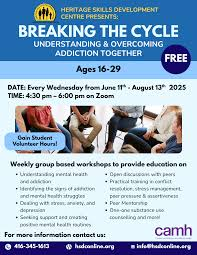
When it comes to personal well-being, Behavior Health / Addiction is a topic that affects individuals, families, and communities in powerful ways. Addiction is not simply about poor choices or lack of discipline—it is often deeply connected to mental health, emotional stress, trauma, environment, and physical dependency. Understanding the connection between behavioral health and addiction is one of the most important steps toward healing, recovery, and creating healthier lives.
What Does Behavior Health / Addiction Mean?
Behavioral health focuses on how habits, emotions, mental wellness, and daily behaviors affect overall health. It includes areas such as anxiety, depression, stress management, trauma, and substance use disorders. Addiction can involve alcohol, drugs, prescription medications, gambling, technology, or other compulsive behaviors that interfere with normal life.
When these two areas overlap, treatment becomes more effective because it addresses both the addiction itself and the root causes behind it.
Why Addiction Is More Than a Physical Problem
Many people assume addiction is only about substance use, but in reality, it often begins with emotional pain, unresolved stress, or mental health struggles. Someone dealing with depression may turn to alcohol. A person with anxiety may misuse medication. Others may develop harmful habits as a way to escape trauma or loneliness.
That is why treating only the physical dependency without addressing mental and emotional health often leads to relapse. A complete recovery plan looks deeper than the surface problem.
Common Causes Behind Addiction
Every person’s journey is different, but some common factors include:
- Chronic stress and pressure
- Depression or anxiety disorders
- Childhood trauma
- Social isolation
- Family history of addiction
- Peer influence
- Easy access to substances
- Poor coping skills
Recognizing these causes helps professionals build personalized treatment plans instead of using a one-size-fits-all approach.
Signs That Someone May Need Help
Addiction can develop slowly, making it hard to notice in the early stages. Some warning signs include:
- Loss of control over usage or behavior
- Mood swings or irritability
- Isolation from family and friends
- Financial or legal problems
- Declining work or school performance
- Secretive behavior
- Physical health changes
- Failed attempts to stop
Early intervention can make recovery smoother and more successful.
Effective Treatment Approaches
Modern recovery programs focus on both behavioral health and addiction together. Some of the most effective treatment options include:
Therapy and Counseling
Individual counseling helps people understand triggers, trauma, and emotional patterns. Cognitive Behavioral Therapy (CBT) is commonly used to replace destructive habits with healthier thinking.
Group Support
Support groups provide accountability, shared experiences, and motivation. Many people recover faster when they know they are not alone.
Medical Assistance
Some addictions require supervised detox or medication-assisted treatment. Medical support can improve safety and reduce cravings.
Family Counseling
Addiction often impacts the whole household. Family therapy helps rebuild trust, communication, and healthy boundaries.
Lifestyle Changes
Exercise, nutrition, sleep improvement, mindfulness, and structure all play a major role in lasting recovery.
Why Mental Health Treatment Matters
Many people relapse because the original emotional pain was never addressed. Treating depression, anxiety, PTSD, or unresolved trauma can significantly improve recovery outcomes. When mental health improves, the need to self-medicate often decreases.
This is why integrated treatment programs are becoming the preferred solution worldwide.
The Role of Community and Support
Recovery becomes stronger when people have a reliable support system. Friends, family members, counselors, and recovery groups can provide encouragement during difficult moments. Isolation often feeds addiction, while connection helps break the cycle.
Even small acts of support—listening without judgment, offering guidance, or helping someone access treatment—can make a major difference.
Long-Term Recovery Is Possible
Recovery is not always a straight line. Some people progress quickly, while others face setbacks along the way. What matters most is consistency, support, and continuing forward after challenges.
Many individuals who once struggled with addiction go on to build successful careers, healthy relationships, and fulfilling lives. With the right help, change is absolutely possible.
Final Thoughts
Behavior Health / Addiction is not a hopeless issue—it is a treatable condition that requires compassion, understanding, and the right care. By addressing emotional wellness, mental health, and addictive behaviors together, people gain a stronger foundation for lasting recovery.
Whether you are seeking help for yourself or someone you care about, taking the first step today can open the door to healing, growth, and a healthier future.
