

 In an era where unexpected emergencies can strike at any moment—be it in a bustling workplace, a community event, or even at home—the ability to respond swiftly and effectively can mean the difference between life and death. Leicester, with its vibrant mix of industries, educational institutions, and healthcare facilities, is no exception. From the heart of the city centre to the surrounding suburbs of Leicestershire, residents and professionals alike face daily risks that demand preparedness. This is where comprehensive training in first aid and clinical skills becomes indispensable. Not only does it empower individuals to act confidently in crises, but it also fosters a culture of safety and resilience across communities.
As we navigate the complexities of modern life on October 3, 2025, the emphasis on accessible, high-quality training has never been greater. Regulatory bodies like the Health and Safety Executive (HSE) in the UK mandate first aid provisions in workplaces, while healthcare professionals continually seek to upskill to meet evolving patient care standards. In this article, we’ll delve deeply into the significance of first aid courses and advanced Clinical training, exploring their benefits, key components, and how local providers in Leicester are leading the charge. Whether you’re a business owner ensuring compliance, a teacher safeguarding students, or a healthcare worker honing your expertise, understanding these programs is crucial.
Understanding First Aid: The Foundation of Emergency Response
First aid is the immediate and initial care given to someone who has suffered a sudden illness or injury. It’s not about replacing professional medical help but bridging the gap until experts arrive. In Leicester, where the population exceeds 350,000 and includes diverse sectors like manufacturing, education, and retail, first aid knowledge is a community lifeline. Statistics from the British Red Cross highlight that prompt first aid can reduce fatalities by up to 50% in cases of cardiac arrest, underscoring its urgency.
The core principles of first aid include assessing the scene for safety, checking responsiveness, calling for help, and providing basic interventions like CPR, wound management, and shock treatment. However, without proper training, even well-intentioned actions can lead to complications. This is why enrolling in a structured First aid course Leicester is essential for anyone in the region. These courses, offered by local experts like the Leicestershire Training Team, ensure participants gain hands-on skills in a supportive environment.
Key Components of a Comprehensive First Aid Course
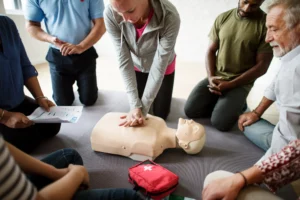
A typical first aid course in Leicester covers a broad spectrum of scenarios tailored to real-world needs. For instance, the First Aid at Work Course equips learners with the knowledge to handle workplace emergencies comprehensively. This multi-day program delves into topics such as resuscitation techniques using advanced manikins for realistic practice, managing severe bleeding, treating burns, and recognizing signs of anaphylaxis. Participants learn to use automated external defibrillators (AEDs), which are increasingly common in public spaces across Leicester, from the Curve Theatre to local gyms.
Complementing this is the Emergency First Aid Course, a more concise option ideal for those with limited time. Often delivered over one day, it focuses on high-priority responses like choking, seizures, and basic life support. Testimonials from participants, such as Amanda, a teacher who called it “the best course” due to the excellent trainer delivery, highlight how these sessions build not just skills but also confidence. Charles, a personal trainer, praised the tutor’s engaging style in the emergency course, noting its practical applicability in fitness settings.
These courses are fully compliant with Ofsted, HSE, and Resuscitation Council UK standards, ensuring certifications are nationally recognized. Upon completion, learners receive complementary certificates, along with free handouts for ongoing reference. What’s particularly appealing for Leicester residents is the no-travel-charge policy for locations within an hour’s drive, making it accessible from areas like Loughborough or Hinckley.
Who Benefits from First Aid Training in Leicester?
The beauty of first aid training lies in its universality. Employers in Leicester’s industrial hubs, such as the Golden Mile’s retail outlets or the universities around the city, are legally required to have trained first aiders on site. For schools and nurseries, where children are prone to minor mishaps, courses like these prevent escalation. Even community volunteers—think football clubs in the National Forest or event organizers at the Mattioli Arena—find value in these programs.
Consider Jo, a manager who completed a one-day course and raved about its impact on her team’s preparedness. In a city as dynamic as Leicester, where cultural festivals like Diwali draw massive crowds, such training turns bystanders into heroes. Moreover, with the rise of remote work post-pandemic, home-based first aid refreshers are gaining traction, ensuring families are equipped for everyday risks.
Advancing to Clinical Training: Elevating Healthcare Proficiency
While first aid lays the groundwork, clinical training takes preparedness to a professional level. Aimed at nurses, healthcare assistants, and support staff, it focuses on specialized procedures that directly impact patient outcomes in clinical settings. In Leicester’s robust NHS ecosystem, including the University Hospitals of Leicester NHS Trust, the demand for skilled clinicians is soaring. With an aging population and increasing complex care needs, upskilling through targeted Clinical training is not just beneficial—it’s a career imperative.
These programs emphasize practical, patient-centered skills, helping professionals deliver high-quality care with confidence. All courses are CPD accredited, meaning they count toward continuous professional development requirements. Certificates are emailed the same day, alongside free e-handouts, streamlining the learning process. Like first aid offerings, there’s no travel charge within an hour’s drive, and all equipment is provided for immersive sessions.
Exploring the Breadth of Clinical Training Options
Leicestershire Training Team’s clinical portfolio is impressively diverse, with most courses spanning half a day for efficient integration into busy schedules. The Wound Management Training, a full-day deep dive, covers wound assessment, types (from pressure ulcers to surgical incisions), documentation, and dressing techniques to promote healing. Ideal for nursing homes and agencies, it equips staff to reduce infection risks and improve recovery rates.
For respiratory and feeding support, half-day courses like Nasogastric (NG) Tube Training teach monitoring, insertion checks, and usage for nurses supporting patients with swallowing difficulties. Similarly, PEG Care & PEG Feeding Training addresses tube maintenance and feeding protocols, crucial in domiciliary care settings prevalent in Leicester’s suburbs.
Ventilation and suction skills are covered in tailored sessions: Suction Training differentiates oral, deep, and nasopharyngeal techniques, while CPAP & BiPAP Training (using the Nippy 4 machine) includes setup, adjustments, and troubleshooting for non-invasive ventilation. These are vital for patients with chronic conditions like COPD, common in the East Midlands.
Medication and emergency interventions feature prominently too. Buccal Cavity Medication Administration Training focuses on safe seizure medication delivery, and Syringe Driver Training updates on pumps like the McKinley T34 for palliative care. Manual Evacuation & Suppository Training handles bowel management sensitively, with practical elements to build competence.
Invasive procedures get hands-on attention in Catheterisation Training, covering male, female, and supra-pubic methods to prevent errors, and Venepuncture Training for safe blood draws. Airway management shines in Tracheostomy Training, including emergency procedures, and Cough Assist Machine Training for secretion clearance.
Supportive skills round out the offerings: Clinical Observation Training teaches vital signs interpretation in an interactive format, Modified Fluid & Diet Awareness explores thickening stages for dysphagia, and Nebuliser & Inhaler Training ensures effective respiratory aid use. Bonus: Oxygen Therapy Training is free when bundled with another course, making it a cost-effective add-on.
These programs are flexible—part-time or full-time—and customizable for new entrants or veterans, fostering a fun, discussion-driven atmosphere that boosts confidence.
The Impact of Clinical Training on Leicester’s Healthcare Landscape
In Leicester, where community care is expanding amid NHS pressures, clinical training directly enhances service delivery. Healthcare assistants in residential homes, for example, report greater autonomy after NG tube or PEG sessions, reducing hospital readmissions. For district nurses covering rural Leicestershire, venepuncture and wound care refreshers mean fewer complications in home visits.
The interactive nature—think role-playing tracheostomy emergencies or group discussions on ethical suction practices—mirrors real clinical teamwork. This not only meets Care Quality Commission (CQC) standards but also addresses staff burnout by reigniting passion for patient care. As one provider notes, these courses “enhance competence and confidence in delivering high-quality patient care.”
Integrating First Aid and Clinical Training: A Holistic Approach
The synergy between basic first aid and advanced clinical skills creates a robust safety net. Imagine a care home in Leicester where staff are dually trained: First aiders handle immediate incidents like falls, while clinically skilled team members manage ongoing needs like ventilation. This layered approach minimizes risks and maximizes efficiency.
Local providers like the Leicestershire Training Team excel here, offering blended pathways. Start with a First aid course Leicester for foundational knowledge, then progress to specialized Clinical training. Their use of advanced manikins and real-time feedback ensures skills transfer seamlessly to practice.
Challenges and Future Directions in Training Accessibility
Despite progress, barriers persist. Cost, time constraints, and awareness gaps hinder uptake in underserved Leicester areas like Highfields or Belgrave. Subsidized programs and online hybrids could bridge this, aligning with the UK’s Levelling Up agenda. Looking ahead, integrating VR simulations—already piloted in some trusts—could revolutionize clinical sessions, making them more engaging for Gen Z learners.
Conclusion: Empower Yourself and Your Community Today
In Leicester’s fast-paced environment, investing in first aid and clinical training isn’t optional—it’s a commitment to safety and excellence. From saving a colleague during a workplace mishap to expertly managing a patient’s tracheostomy at home, these skills transform lives. Providers like the Leicestershire Training Team make it straightforward with compliant, accessible courses that prioritize practicality and participant success.
Ready to take the first step? Explore a First aid course Leicester to build your emergency toolkit, or advance your career with specialized Clinical training. Your actions today could safeguard tomorrow—enroll now and join the ranks of confident, capable responders shaping a safer Leicester.
